

square led bathroom mirror
How to Open a Water Valve A Comprehensive Guide Opening a water valve may seem like a simple task, but it is essential to understand the different types of valves and the proper techniques involved in ensuring that water flows safely and efficiently. Whether you’re dealing with a valve in your home plumbing system, an irrigation system, or an industrial setting, knowing how to open a water valve correctly can save you time and prevent unwanted water wastage or damage. Here’s a detailed guide to help you with this process. Understanding Water Valves Water valves come in various shapes and sizes, and they serve multiple purposes. The most common types include gate valves, ball valves, globe valves, and check valves. Each type functions differently - Gate Valves These valves are primarily used for on/off control and have a gate mechanism that opens and closes by lifting or lowering. - Ball Valves These valves use a spherical disc to control the flow. They provide a tight seal and are quick to open or close. - Globe Valves Known for their throttling capability, globe valves are used to regulate flow. They have a spherical body which gives them their name. - Check Valves These valves allow fluid to flow in one direction and prevent backflow, often found in drainage systems. Tools You Might Need Before you open a water valve, make sure you have the necessary tools at hand. Depending on the type of valve, you may need - A wrench or pliers (for gate and globe valves) - A hand crank (for some larger valves) - A bucket or towel (to catch any leaking water) - Safety goggles (to protect your eyes in case of sudden water flow) Steps to Open a Water Valve 1. Identify the Valve Type Before attempting to open any valve, identify which type you are dealing with . This will determine the method you should use. how to open a water valve 2. Turn Off Supply (if necessary) If you are working on a system that could cause flooding or excessive water flow, it’s prudent to shut off the main water supply before proceeding. 3. Inspect the Valve Before you attempt to open the valve, examine it for any visible damage, corrosion, or signs of wear. This inspection helps prevent issues when opening. 4. Use the Correct Method - Gate Valve To open a gate valve, turn the handle or wheel counterclockwise until it stops. This may require some force if the valve hasn’t been operated in a long time. - Ball Valve Simply turn the lever or handle 90 degrees (a quarter turn) counterclockwise to open. If the valve is difficult to move, apply some lubricant and try again. - Globe Valve Rotate the valve handle counterclockwise. Unlike gate valves, globe valves may need several turns to fully open or close. - Check Valve These valves typically do not require manual opening or closing as they operate automatically; ensure that it is functioning as intended by checking the line flow. 5. Check for Leaks After the valve is opened, inspect the area around the valve for any leaks. If water is seeping from the joints, you may need to tighten them or replace the valve. 6. Final Checks Once you’re confident that everything is working properly, monitor the flow of water to ensure that it’s operating as expected. Safety Considerations Always keep safety in mind while working with water valves. Be sure the area is dry, wear appropriate safety gear, and never attempt to force a valve that feels stuck. If the valve is too corroded or damaged, consider calling a professional plumber for assistance. Conclusion Opening a water valve may be a simple task, but understanding the type of valve, using the right tools, and following proper procedures is crucial for a successful operation. By following the steps outlined in this guide, you can efficiently manage your water systems and prevent common mishaps. Always remember, when in doubt, consult a professional to ensure safety and efficacy in your plumbing tasks.
about
square led bathroom mirror
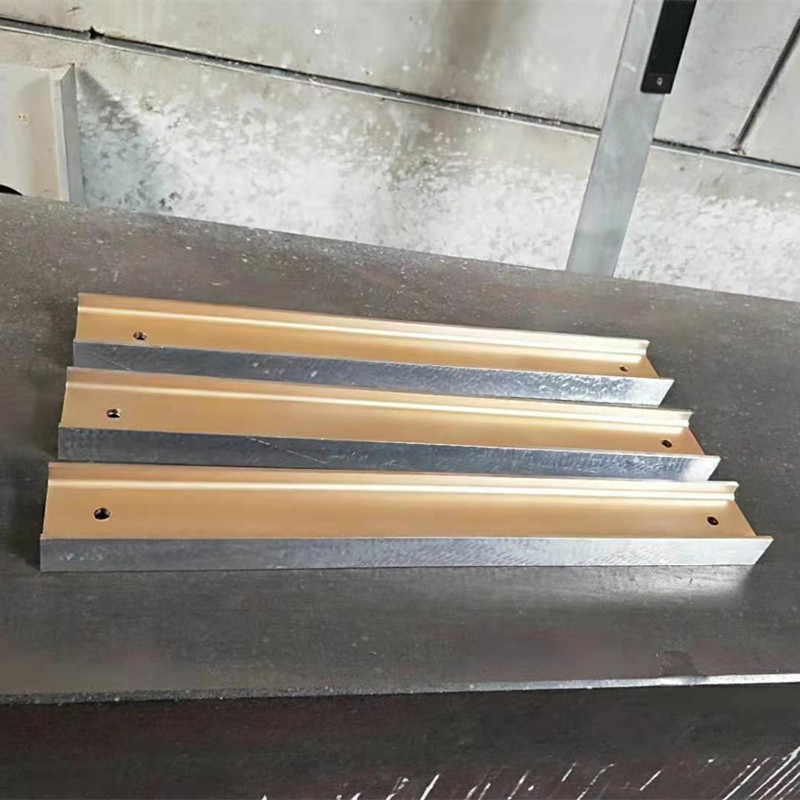
Steel Brackets for Timber A Durable and Practical Solution Timber is a popular building material due to its natural beauty, strength, and versatility. However, it also requires proper support to ensure its stability and longevity. Steel brackets are an essential component in timber construction, providing the necessary reinforcement and stability to wooden structures. One of the primary advantages of using steel brackets for timber is their durability. Steel is a strong and resilient material that can withstand harsh weather conditions, including heavy winds, rain, and snow. This means that the brackets will remain intact and continue to provide support to the timber structure even after years of use. Another advantage of steel brackets is their versatility. They can be used in a wide range of applications, from small residential projects to large commercial developments. Whether you're building a deck, a pergola, or a roof, steel brackets can be customized to fit your specific needs. In addition to their durability and versatility, steel brackets are also relatively easy to install In addition to their durability and versatility, steel brackets are also relatively easy to install In addition to their durability and versatility, steel brackets are also relatively easy to install In addition to their durability and versatility, steel brackets are also relatively easy to install steel brackets for timber . They come in a variety of sizes and shapes, so you can find the perfect match for your timber project. Plus, most brackets are designed to be quick and simple to attach to the wood, saving you time and effort on the job site. When it comes to cost, steel brackets are generally more expensive than other types of brackets, such as plastic or wood. However, the long-term benefits of using steel far outweigh the initial cost. The brackets will last longer, require less maintenance, and provide better support for your timber structure. In conclusion, steel brackets are a durable and practical solution for reinforcing and supporting timber structures. Their strength, versatility, ease of installation, and long-term benefits make them an excellent choice for anyone looking to build or renovate with wood. So, if you're in the market for brackets for your next timber project, consider choosing steel for a reliable and long-lasting solution.
-

High quality industrial productsagement

High quality industrial products
View Details -

Meet the diverse needs of customers

Meet the diverse needs of customers
View Details -

Strict quality control

Strict quality control
View Details -

Top raw materials

Top raw materials
View Details -

Trusted supplier

Trusted supplier
View Details
Our application


news and information
water pressure valve
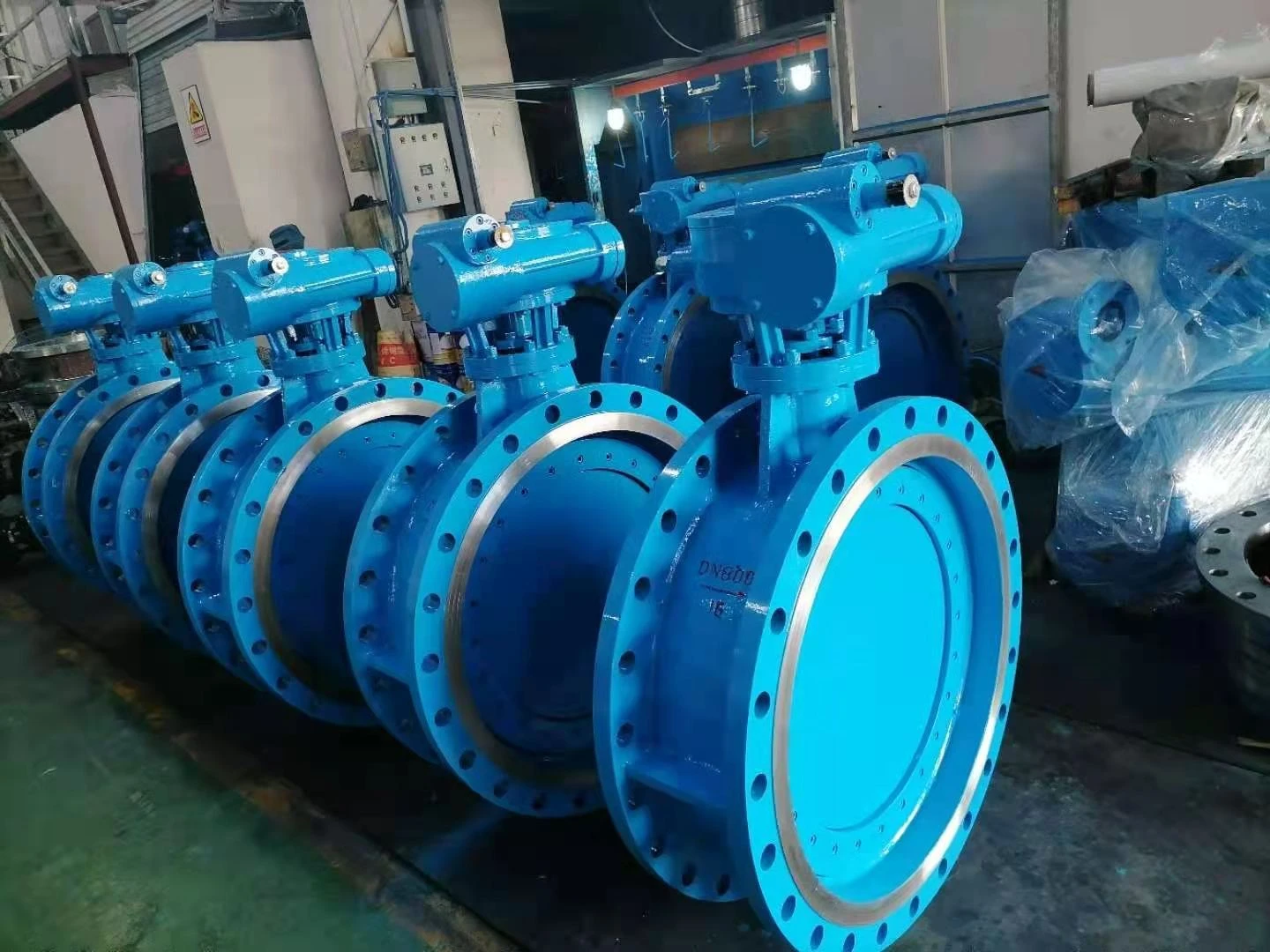
Understanding Water Pressure Valves A Crucial Component for Plumbing Systems Water pressure valves a
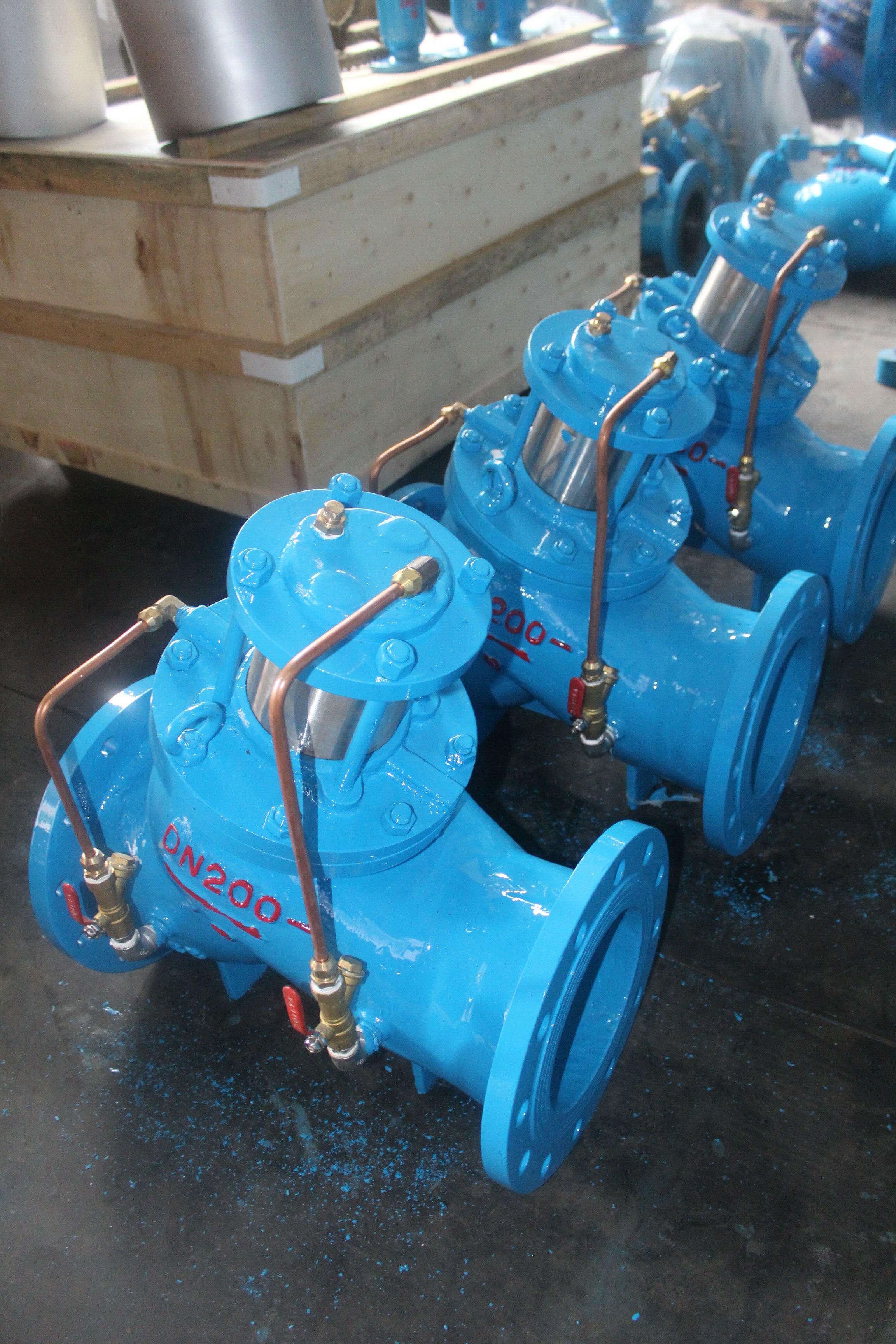
Water Flow Control Using Valve Mechanisms for Efficient Management
The Importance of Valve Water Management in Modern Industry In today's industrial landscape, effecti
Wooden Villa House Connection Solutions with Truss Mending Nail Plates for Structural Integrity
The Essential Role of Truss Mending Nail Plates in Wood Villa Construction Wooden villas exude charm
 English